 The Wright Exteriors

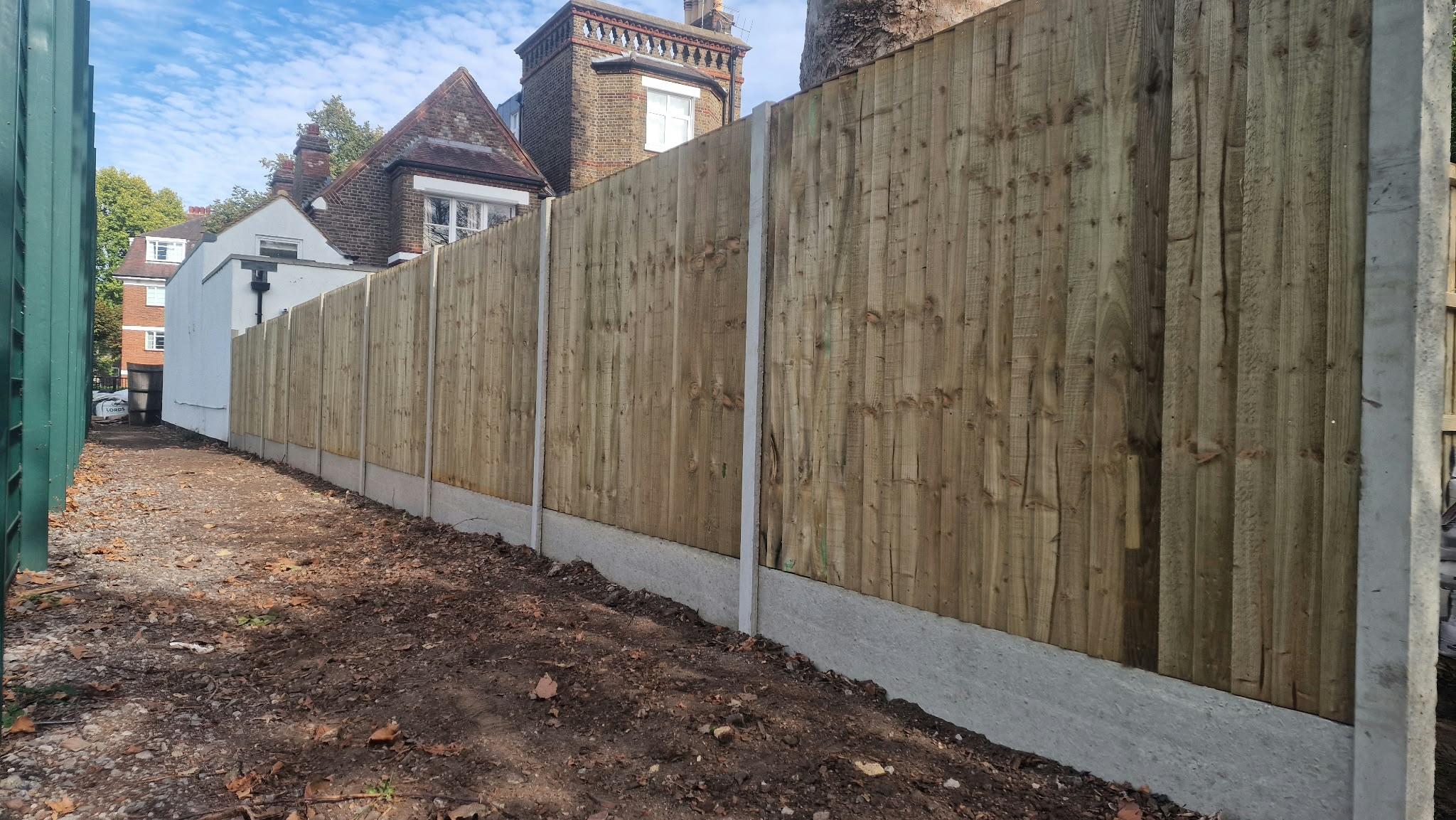
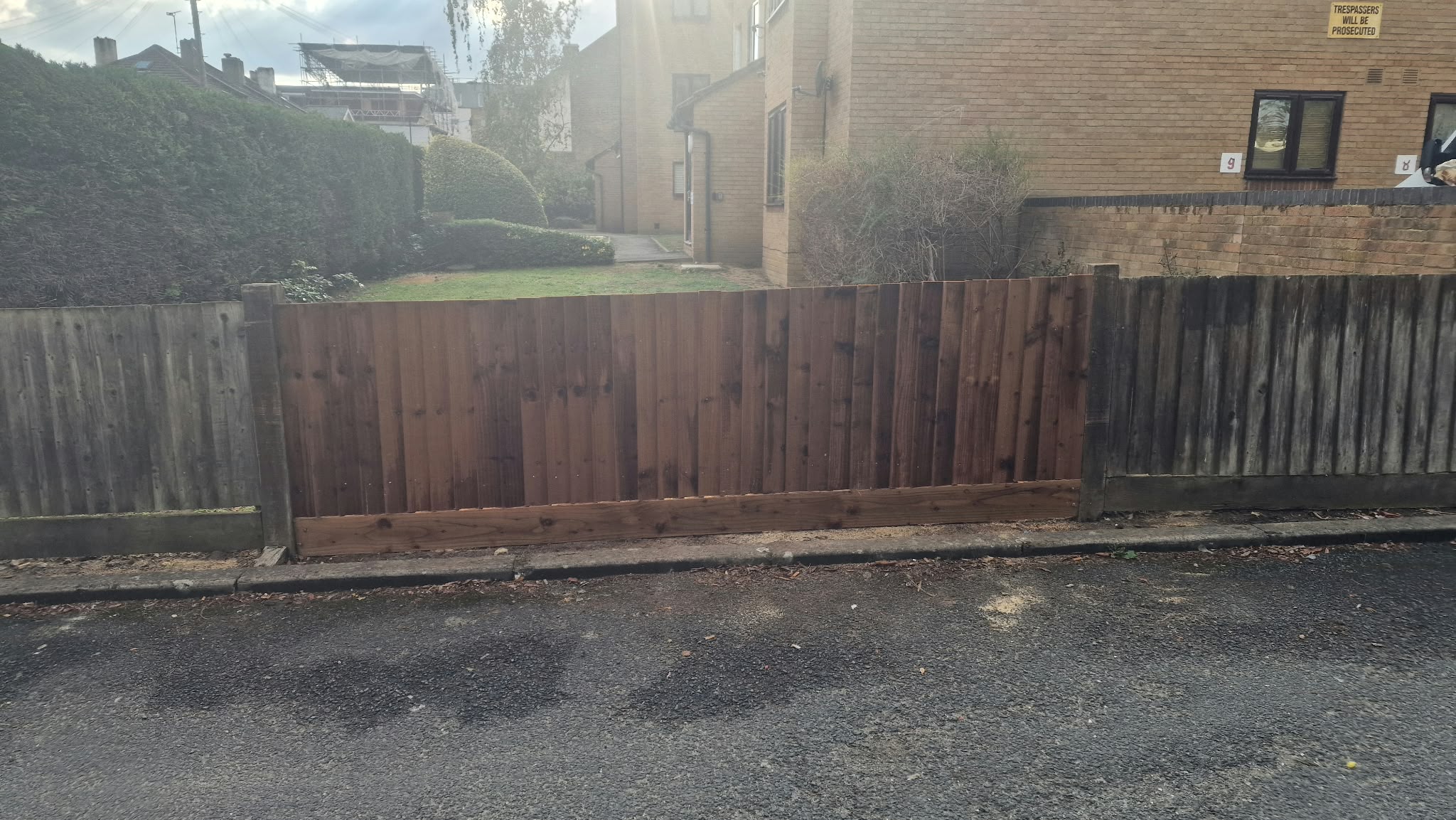
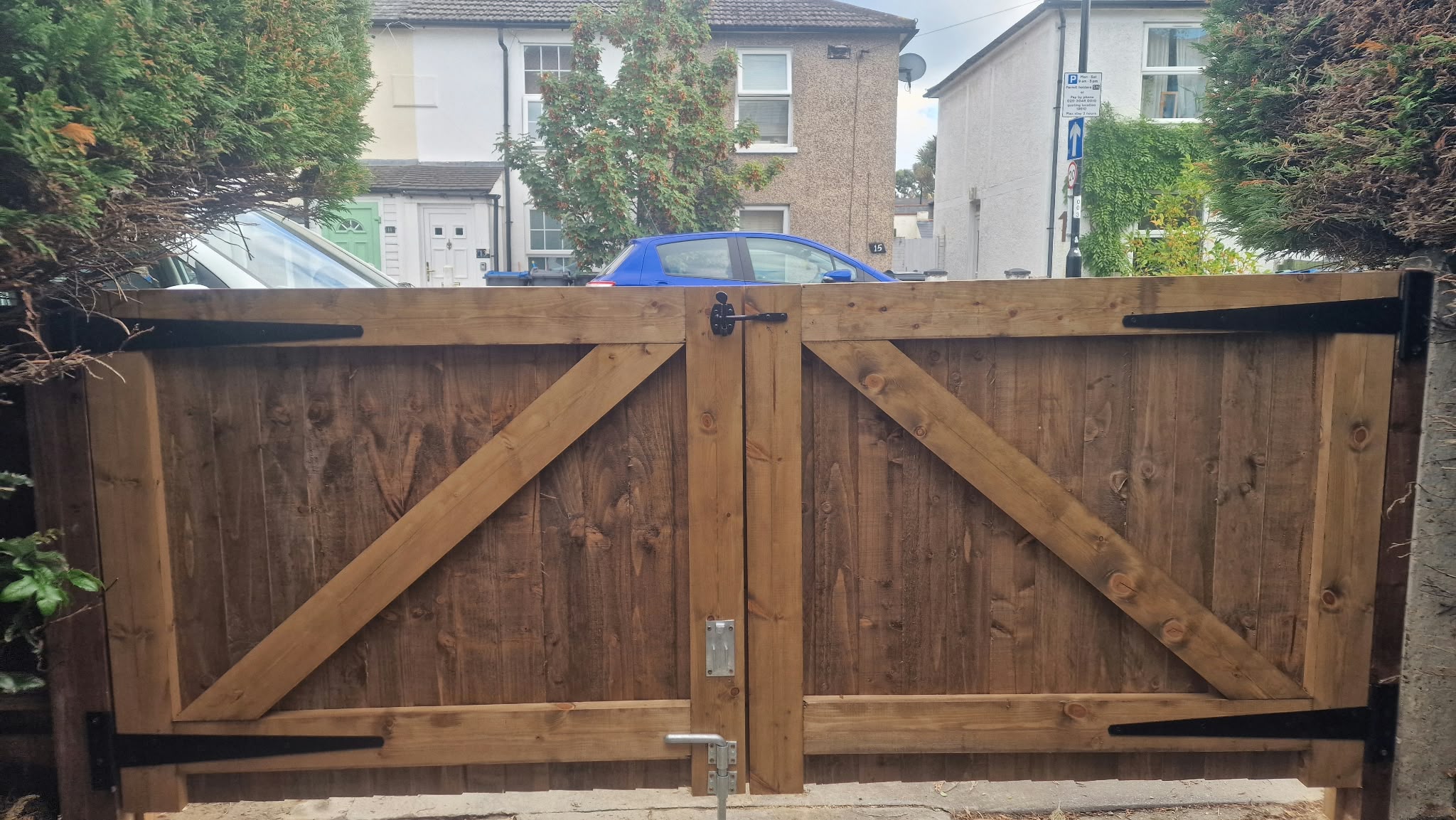
Timber panel fencing, close board fencing, gates and fence repairs across South East London and Kent. Straightforward pricing, tidy work, built to last.
From a single replacement panel to a full boundary rebuild, we handle every part of the job.
Like-for-like replacement of damaged, rotten or storm-blown fence panels, fitted fast.
Feather-edge close board fencing built panel by panel for maximum privacy and strength.
Full fence runs installed from scratch, including posts set properly in concrete.
Fixing loose panels, broken posts, leaning fences and storm damage.
Matching garden gates and access points built into your new fencing.
Trellis toppers added for extra height, privacy or climbing plants.
Real work carried out for a happy customer. Drag the slider to compare.

Full Fence Replacement
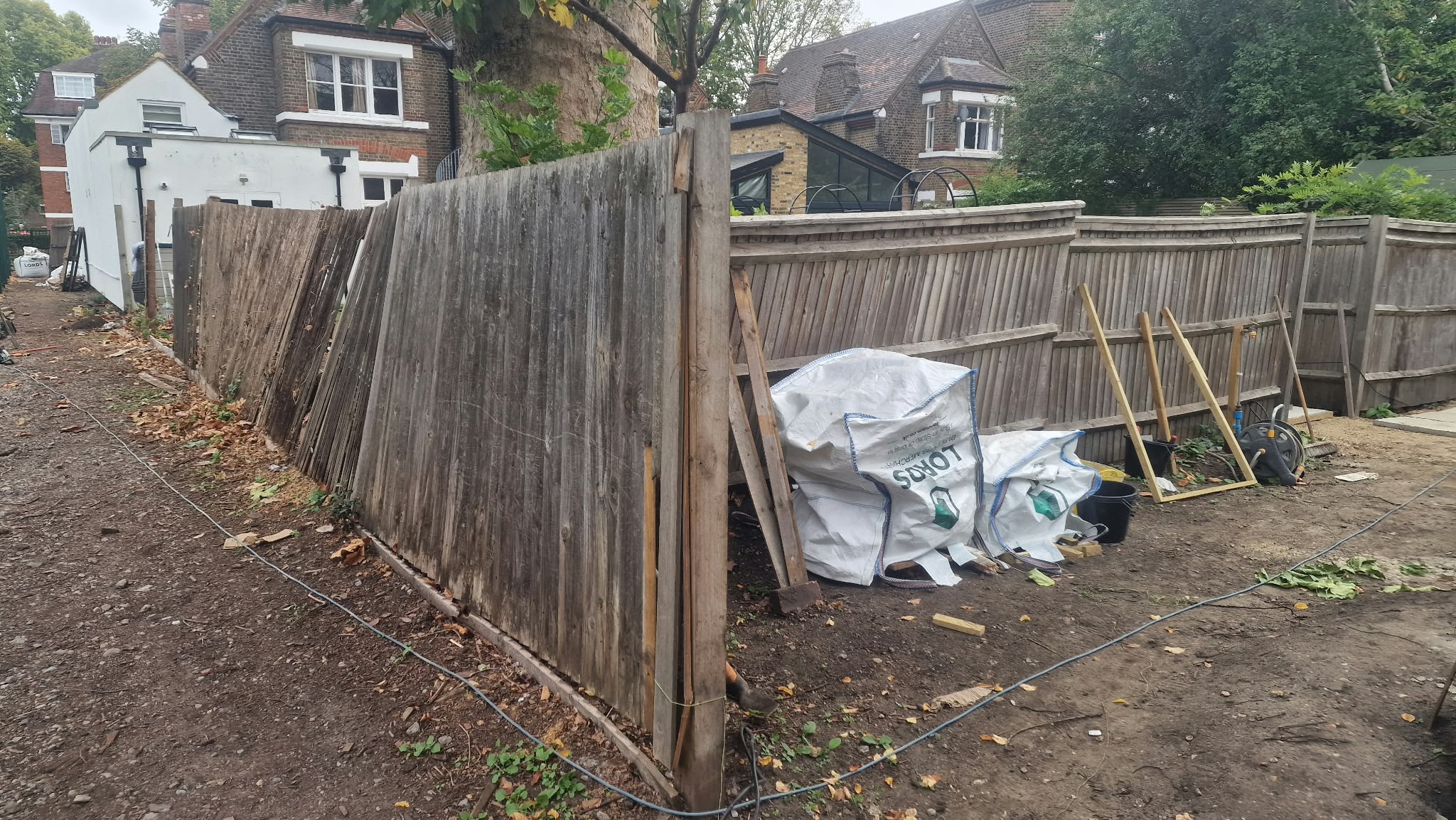
Close Board Fence Installation
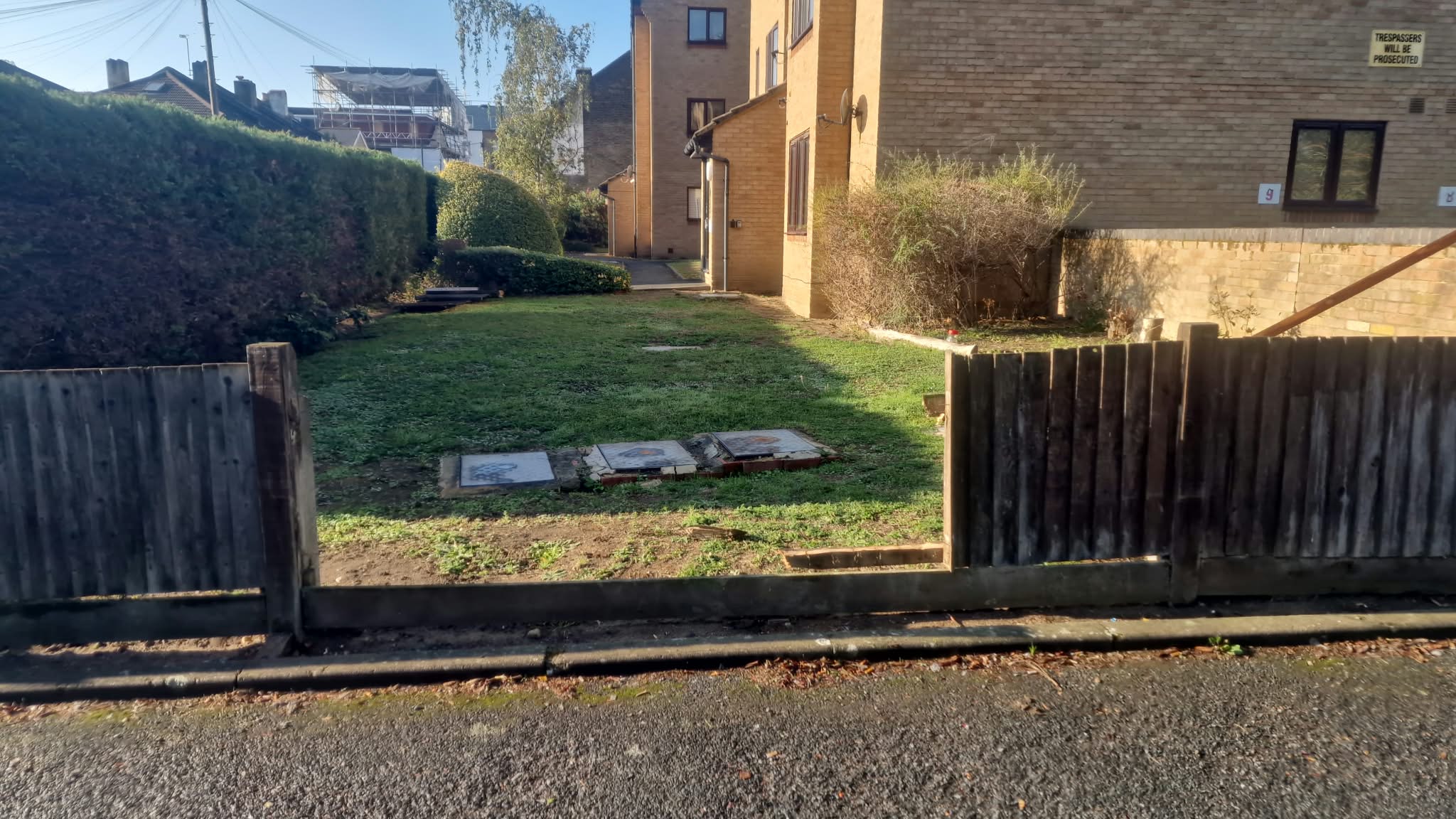
Fence Panel Replacement
More before-and-after photos coming soon as we add recent fencing jobs.
Solid fencing that's built to last, fitted by a team that turns up and gets it right.
Pressure-treated timber built to withstand South East London weather.
Every post set properly in concrete, not just driven into the ground.
Public liability insurance available on request for every job.
Old fencing removed and disposed of, site left clean when we're done.
A site visit and a fixed-price quote before any work starts.
Welling, Bexley, Sidcup, Eltham, Bexleyheath, Erith, Woolwich and surrounding areas.
Surface-by-surface, here's what a professional fencing job involves.
Standard overlap or featherboard panels fitted between concrete posts with gravel boards to stop the timber touching the ground. The most popular choice for garden boundaries, giving a neat, uniform finish at a lower cost than close board.
Get a fence panel quoteVertical feather-edge boards built in place, one by one, rather than pre-made panels. Stronger, more private and better suited to exposed boundaries or high-traffic areas where panels take a beating.
Get a close board quoteFrom a single blown-down panel to a full boundary repair after storm damage, we handle repairs quickly, often within a day of the initial call. We also replace broken posts and straighten leaning fence lines.
Get a repair quoteNot sure which type suits your garden? Here's how the main options compare.
The right fence depends on what you're trying to achieve as much as budget. If you want privacy from neighbours or a busy road, close board fencing is usually the better choice: the feather-edge boards overlap with no gaps, and because each board is nailed into place on site rather than arriving as a pre-made panel, the whole run ends up stronger and better able to cope with wind. It costs more than panel fencing and takes a little longer to install, but it's the option most people choose when they want a boundary that's going to earn its keep for 15–20 years.
Timber panel fencing (sometimes called lap or overlap panels) is the most common choice for a standard garden boundary. Panels are built off-site to a fixed width, usually 1.83m, and slot between concrete or timber posts. It's quicker to fit, costs less than close board, and still gives a neat, uniform finish. The trade-off is that pre-made panels are a bit less rigid in exposed, high-wind spots than a close board run.
Where you want to keep a more open, cottage-garden look, typically at the front of a property rather than for full privacy at the back, picket fencing is the usual choice. It's lower (often 3ft rather than 6ft) and spaced, so it marks a boundary without blocking light or views.
If you'd rather not think about staining or treating timber every couple of years, composite fencing is worth a look. It costs more upfront than timber, but there's no ongoing maintenance, no risk of rot, and the colour doesn't fade the way stained timber can.
5-star Google reviews from customers across South East London and Kent.
"Really excellent service. Francis and his colleague always work so hard in my garden and transform it quickly from overgrown and messy to neat and tidy. They do exactly as asked, with a friendly and respectful approach. They keep good time and communicate professionally and promptly. I recommend them 100%."
"Really happy with the garden tidy-up. Weeding and bushes cut back, very professional and good value."
"I'm impressed by the work done in bringing my garden back to life at this first stage."
A few things worth knowing before you start planning your fence.
In England, you generally don't need planning permission for a fence up to 2 metres high. If the fence runs alongside a road used by vehicles, that limit drops to 1 metre. Go above those heights and you'll usually need permission from your local planning authority first, and if your property is listed or in a conservation area, different rules can apply, so it's worth checking with your council before committing to a height.
Working out which boundary is "yours" isn't always as simple as the old left-hand-side rule people quote. That's a myth, not a legal rule. Ownership and maintenance responsibility are set out in the property's title deeds, which you can check for free in most cases via the Land Registry. Where it's genuinely unclear, a quiet conversation with your neighbour before work starts saves a lot of hassle later. We're happy to fit a fence to either side of a post line, whichever is agreed.
About fencing installation and repair.
Yes. We supply and install timber panel fencing and close board (feather-edge) fencing, including posts, gravel boards and gates, across South East London and Kent.
Cost depends on the length of fencing, the style chosen and site access. We always provide a free, no-obligation quote after seeing the job, with no hidden extras.
Yes. Removal and disposal of the old fencing is included in the price. We leave the site clean and tidy once the new fence is up.
Most garden fence panel replacements are completed within a day. Larger close board runs or full boundary replacements may take two to three days depending on length and access.
Yes. The Wright Exteriors carries full public liability insurance, available on request, covering all fencing installation and repair work.
In England you generally don't need planning permission for a fence up to 2 metres high, dropping to 1 metre if it borders a road used by vehicles. Listed buildings and conservation areas can have different rules, so it's worth checking with your local council if you're near a limit.
There's no general legal rule that it's always the left or right-hand boundary. Ownership and maintenance responsibility are set out in your property's title deeds, which you can check via the Land Registry. We're happy to fit to either side of the post line once it's agreed with your neighbour.
Fencing installation and repair across South East London and Kent.